
Best Orthopaedic Surgeon in Nalasopara: What to Consider Before Choosing a Specialist
 by
by 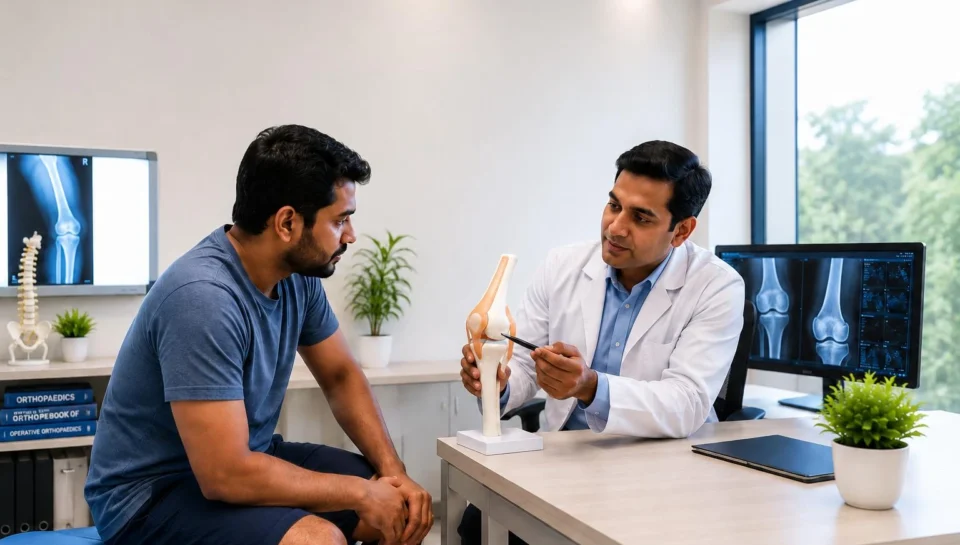
Joint pain, sports injuries, fractures, knee problems, and difficulty walking can affect your ability to perform everyday activities. When these problems persist or interfere with your mobility, consulting an orthopaedic specialist can help identify the cause and determine the most appropriate treatment.
If you are searching for the best orthopaedic surgeon in Nalasopara, it is important to look beyond online ratings and advertisements. A specialist’s qualifications, experience with your condition, diagnostic approach, treatment options, and postoperative care can all influence your treatment journey.
This guide explains what to consider when choosing an orthopaedic specialist, when surgery may be necessary, and how physiotherapy and rehabilitation can support recovery.
What Does an Orthopaedic Surgeon Do?
An orthopaedic surgeon is a medical specialist who diagnoses and treats conditions affecting the musculoskeletal system, including bones, joints, ligaments, tendons, muscles, and related structures.
Depending on their training and area of expertise, orthopaedic surgeons may treat conditions such as:
- Knee pain and knee joint problems
- ACL injuries and other ligament tears
- Hip and shoulder conditions
- Fractures and certain traumatic injuries
- Osteoarthritis and other joint disorders
- Sports-related injuries
- Spinal and musculoskeletal conditions
- Conditions that may require joint replacement surgery
Not every orthopaedic condition requires an operation. Many problems can initially be managed with appropriate non-surgical treatment, medication, activity modification, or physiotherapy, depending on the diagnosis.
When Should You Consult an Orthopaedic Specialist?
Occasional muscle soreness after exercise may improve with rest, but persistent pain, swelling, instability, or restricted movement may require professional assessment.
Consider consulting a qualified healthcare professional if you experience:
- Persistent knee, hip, shoulder, or joint pain
- Difficulty walking or climbing stairs
- Repeated knee instability or a feeling that the joint gives way
- Limited joint movement or ongoing stiffness
- Pain following a sports injury
- Swelling after an injury
- Difficulty performing routine daily activities
- Symptoms that persist despite appropriate initial treatment
A suspected fracture, a visibly deformed limb after an injury, or sudden severe pain requires urgent medical assessment. A hot, swollen joint accompanied by fever also needs prompt evaluation.
1. Check the Surgeon’s Qualifications and Specialization
Orthopaedic surgeons may specialize in different areas, including knee and hip conditions, sports injuries, joint replacement, fractures, or spine disorders.
When choosing a specialist in Nalasopara, consider:
- Relevant medical and postgraduate qualifications
- Additional training in the relevant orthopaedic specialty
- Experience treating your specific condition
- Professional registration and credentials
- Experience with the proposed procedure, if surgery is being considered
For example, a patient with an ACL tear may benefit from consulting an orthopaedic surgeon experienced in sports injuries and knee ligament reconstruction. Someone with advanced knee arthritis may need an assessment by a specialist experienced in joint replacement.
2. Look for Experience With Your Specific Condition
General orthopaedic experience is valuable, but the specialist’s experience with your particular problem is also important.
Different conditions require different assessments and treatment approaches.
| Condition | What to look for |
| ACL injury | Experience with knee ligament injuries and reconstruction |
| Knee osteoarthritis | Experience with arthritis management and knee replacement |
| Fractures | Experience treating the relevant type of fracture |
| Shoulder injuries | Experience with shoulder and sports-related conditions |
| Persistent joint pain | Ability to assess the cause and explain treatment options |
Ask how your condition will be evaluated and what treatment options may be appropriate. A specialist should explain the reasoning behind their recommendations rather than focusing only on a procedure.
3. Understand Whether You Actually Need Surgery
One of the most important considerations is whether surgery is necessary.
Many orthopaedic conditions can initially be managed with non-surgical treatments, depending on their severity and the patient’s needs. These may include physiotherapy, appropriate medication, activity modification, and exercise-based rehabilitation. Surgery may be considered when conservative treatment is insufficient or when the condition requires surgical intervention.
Before agreeing to an operation, ask:
- What is the exact diagnosis?
- Why is surgery being recommended?
- Are non-surgical options available?
- What are the expected benefits and limitations?
- What are the risks of surgery?
- What could happen if I delay the procedure?
For elective surgery, a second opinion can also help you make a more informed decision.
4. Ask About Diagnostic Tests and Evaluation
A reliable treatment plan begins with an appropriate assessment.
Depending on your symptoms, the orthopaedic specialist may review your medical history, examine the affected joint, assess your movement, and recommend imaging such as an X-ray or MRI when indicated.
If you already have test reports, bring them to your consultation. Previous medical records and imaging can help the specialist understand your condition and avoid unnecessary repetition of tests.
Remember that an imaging result should be interpreted alongside your symptoms and clinical examination.
5. Consider the Hospital and Treatment Facilities
If surgery is recommended, the hospital or surgical facility is another important factor.
Consider whether it offers appropriate:
- Operating theatres and surgical equipment
- Anaesthesia services
- Diagnostic and imaging facilities
- Postoperative monitoring
- Nursing and emergency support
- Follow-up consultations
- Access to physiotherapy and rehabilitation
You should also understand where the procedure will take place, who will be involved in your care, and how postoperative concerns will be handled.
6. Understand Recovery Before Agreeing to Surgery
Every orthopaedic procedure has a different recovery process. Recovery after ACL reconstruction, fracture fixation, and knee replacement can vary considerably.
Ask your specialist about expected pain management, movement restrictions, follow-up appointments, time away from work, and the rehabilitation process.
It is also useful to plan practical support at home, particularly if you may temporarily have difficulty walking, bathing, climbing stairs, or preparing meals.
Understanding the recovery process in advance can help you prepare for treatment more effectively.
7. Understand the Role of Physiotherapy and Rehabilitation
Surgery is only one part of the treatment journey. For many orthopaedic conditions, rehabilitation is an important component of regaining movement and function.
Depending on the procedure and the treating surgeon’s instructions, physiotherapy may help with:
- Improving joint range of motion
- Rebuilding muscle strength
- Improving balance and coordination
- Practising safe walking
- Restoring functional movement
- Gradually returning to everyday activities
For example, rehabilitation after knee replacement commonly includes prescribed exercises to support strength and movement. The treating team will guide the appropriate exercises and progression.
Orthopaedic Rehabilitation in Nalasopara
Book My Rehab provides physiotherapy and rehabilitation services in Nalasopara, Vasai, and Virar. Rehabilitation may be relevant for people recovering from orthopaedic injuries, surgery, joint problems, or mobility difficulties.
Treatment goals are tailored to the individual’s condition and may include improving strength, mobility, balance, walking ability, and independence.
If you have undergone surgery, follow your surgeon’s restrictions and rehabilitation protocol. Exercises should be progressed according to your recovery and clinical guidance.
8. Evaluate Communication and Patient Support
Good communication helps patients understand their condition and participate in treatment decisions.
During your consultation, notice whether the specialist:
- Explains the diagnosis in understandable language
- Discusses the benefits and risks of treatment
- Answers your questions clearly
- Explains alternative treatment options
- Provides realistic recovery expectations
- Outlines follow-up arrangements
The American Academy of Orthopaedic Surgeons recommends preparing questions before appointments and discussing treatment goals, possible complications, and recovery expectations with the surgical team.
9. Do Not Choose a Surgeon Based Only on Online Ratings
Online reviews may help you understand other patients’ experiences, but they cannot independently establish a surgeon’s clinical expertise or determine whether a specialist is suitable for your condition.
Instead, consider a combination of relevant qualifications, experience, communication, treatment planning, facility standards, and postoperative support.
Be cautious of guarantees of results or claims that one surgeon is universally the “best.” Outcomes depend on the condition, treatment, individual health, and many other factors.
How to Prepare for Your Orthopaedic Consultation
Before visiting a specialist in Nalasopara, prepare a short list of your symptoms and concerns.
Bring:
- Previous X-rays, MRI scans, or other relevant reports
- Medical records related to your condition
- A list of current medicines
- Details of previous treatments
- Information about when the symptoms began
- Questions about treatment and recovery
This preparation can help you use your appointment effectively and understand the recommended next steps.
Conclusion
Choosing the best orthopaedic surgeon in Nalasopara means finding a suitably qualified specialist whose experience matches your condition and who explains the available treatment options clearly.
Whether you are dealing with knee pain, an ACL injury, arthritis, a fracture, or another musculoskeletal problem, consider the specialist’s qualifications, diagnostic approach, treatment recommendations, surgical facilities, and recovery plan.
Remember that surgery is not necessary for every orthopaedic condition. When surgery is required, appropriate follow-up and rehabilitation can help support recovery and restore functional mobility.
Taking time to understand your options can help you make a more informed decision about your orthopaedic care.
Frequently Asked Questions
1. How do I choose the best orthopaedic surgeon in Nalasopara?
Look for relevant qualifications, experience with your specific condition, clear communication, appropriate diagnostic evaluation, transparent discussion of treatment options, and suitable postoperative care.
2. When should I consult an orthopaedic surgeon?
Consider an assessment if you have persistent joint pain, restricted movement, recurring instability, an injury that is not improving, or symptoms affecting daily activities. Severe injuries or urgent warning signs require prompt medical attention.
3. Does every knee problem require surgery?
No. Depending on the diagnosis and severity, knee problems may be managed with physiotherapy, exercise-based treatment, medication, activity modification, or surgery when indicated.
4. Is physiotherapy important after orthopaedic surgery?
For many procedures, yes. Physiotherapy may help restore strength, movement, balance, and functional ability according to the surgeon’s instructions and the patient’s progress.
5. Can I get orthopaedic rehabilitation in Nalasopara?
Book My Rehab offers physiotherapy and rehabilitation services in Nalasopara, Vasai, and Virar. Patients recovering from surgery or orthopaedic injuries should follow a program suited to their diagnosis and medical recommendations.