
Understanding the Different Stages of Stroke Rehabilitation
 by
by 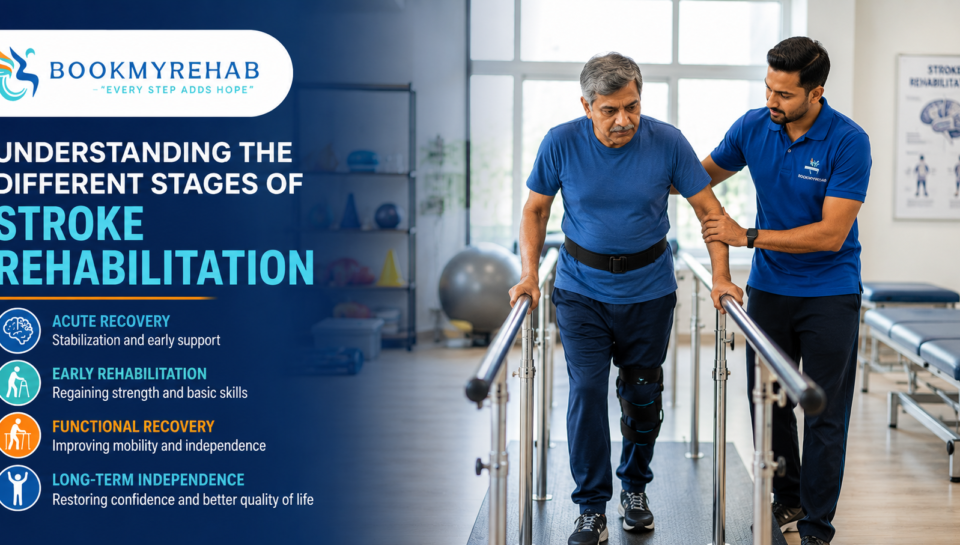
A stroke can change a person’s life in an instant. It may affect movement, speech, memory, balance, and the ability to perform everyday activities. However, with the right rehabilitation approach, many stroke survivors can regain independence and significantly improve their quality of life.
Stroke recovery is not a one-size-fits-all process. Every patient’s journey is different and depends on factors such as the severity of the stroke, the area of the brain affected, age, and overall health. Understanding the different stages of stroke rehabilitation can help patients and families know what to expect and make informed decisions throughout the recovery process.
Why Stroke Rehabilitation Is Important
The brain has an incredible ability to adapt and form new neural connections, a process known as neuroplasticity. Stroke rehabilitation is designed to encourage this process and help patients relearn lost skills and develop new ways of performing daily activities.
The goals of stroke rehabilitation include:
- Restoring physical function and mobility
- Improving speech and communication
- Enhancing balance and coordination
- Promoting independence in daily activities
- Managing emotional and cognitive challenges
- Improving overall quality of life
Early and structured rehabilitation often leads to better recovery outcomes.
Stage 1: Acute Rehabilitation Phase
The acute phase begins immediately after the stroke, usually during the patient’s stay in the hospital.
During this stage, healthcare professionals focus on:
- Stabilizing the patient’s medical condition
- Preventing complications
- Assessing physical and neurological impairments
- Initiating gentle movement and mobility exercises
Patients may begin simple activities such as:
- Sitting upright
- Moving affected limbs
- Basic bed mobility exercises
- Breathing exercises
Early rehabilitation is essential because prolonged immobility can lead to muscle weakness, joint stiffness, and additional complications.
Stage 2: Early Recovery Phase
The early recovery stage typically starts within days or weeks after the stroke and is often one of the most significant periods of improvement.
During this phase, rehabilitation focuses on:
Regaining Mobility
Patients work on:
- Standing
- Walking
- Balance training
- Improving muscle strength
Improving Speech and Communication
Some patients experience difficulty speaking or understanding language. Speech therapy can help improve communication skills and swallowing function.
Restoring Daily Living Skills
Occupational therapy helps patients relearn activities such as:
- Dressing
- Eating
- Personal hygiene
- Using household objects
Building Confidence
The emotional impact of a stroke can be overwhelming. Support and encouragement during this phase play a major role in recovery.
Stage 3: Subacute Rehabilitation Phase
The subacute phase usually lasts for several weeks to several months after the stroke.
At this stage, rehabilitation becomes more intensive and goal-oriented.
Therapy may include:
Physical Therapy
Focuses on:
- Strength training
- Improving endurance
- Balance and coordination exercises
- Gait training
Occupational Therapy
Helps patients improve functional independence by practicing daily activities and adapting to any limitations.
Cognitive Rehabilitation
Some stroke survivors experience:
- Memory difficulties
- Reduced concentration
- Problem-solving challenges
Cognitive therapy helps improve these functions and supports better everyday decision-making.
Speech and Language Therapy
Continued therapy can further improve:
- Speaking abilities
- Understanding language
- Reading and writing skills
- Swallowing function
This phase often requires patience and consistent participation, as progress may occur gradually.
Stage 4: Long-Term Recovery and Community Reintegration
Recovery does not end after the initial months following a stroke. Many patients continue to improve for months or even years.
Long-term rehabilitation focuses on:
Maintaining Physical Function
Regular exercises help:
- Preserve mobility
- Improve strength
- Reduce stiffness
- Prevent future complications
Increasing Independence
Patients continue working toward:
- Returning to work
- Driving
- Participating in social activities
- Managing household responsibilities
Emotional Well-Being
Depression, anxiety, and frustration are common after a stroke. Emotional support and counseling can significantly improve recovery and motivation.
Preventing Secondary Health Issues
Long-term rehabilitation also focuses on reducing the risk of:
- Falls
- Muscle weakness
- Joint problems
- Recurrent strokes
Factors That Influence Stroke Recovery
Every stroke survivor recovers differently. Several factors influence rehabilitation outcomes:
Severity of the Stroke : Milder strokes often result in quicker recovery, while severe strokes may require longer rehabilitation.
Timing of Rehabilitation : Early intervention can improve functional outcomes and reduce long-term disability.
Consistency of Therapy : Regular participation in rehabilitation programs often leads to better progress.
Family Support : Encouragement and involvement from family members can significantly improve motivation and emotional well-being.
Overall Health : Existing medical conditions and lifestyle factors can influence recovery speed and outcomes.
The Importance of Personalized Stroke Rehabilitation
Stroke rehabilitation is most effective when it is tailored to each patient’s specific needs and recovery goals.
A personalized rehabilitation plan may include:
- Physiotherapy
- Occupational therapy
- Speech therapy
- Balance training
- Cognitive rehabilitation
- Pain management
- Home exercise programs
A multidisciplinary approach ensures that all aspects of recovery are addressed, helping patients regain confidence and improve their quality of life.
How Book My Rehab Supports Stroke Recovery
Recovery after a stroke is not simply about healing physically it’s about rebuilding independence and returning to everyday life with confidence.
Book My Rehab is dedicated to supporting patients throughout their rehabilitation journey by providing professional physiotherapy and rehabilitation services across Vasai, Virar, and Nalasopara. The team focuses on helping individuals regain strength, improve mobility, and restore function through patient-centered rehabilitation programs.
Whether someone is recovering from a stroke, surgery, or other neurological conditions, the goal is to provide compassionate care and personalized rehabilitation strategies that empower patients to achieve meaningful recovery.
Conclusion
Understanding the different stages of stroke rehabilitation helps patients and families prepare for the recovery journey ahead. From the acute phase in the hospital to long-term community reintegration, each stage plays an important role in restoring function and improving quality of life.
While recovery may take time and patience, consistent rehabilitation, expert guidance, and strong support systems can make a significant difference. With personalized care and a structured approach, many stroke survivors can regain independence, rebuild confidence, and return to the activities that matter most in their lives.