
How Stroke Rehabilitation Helps Improve Walking and Balance
 by
by 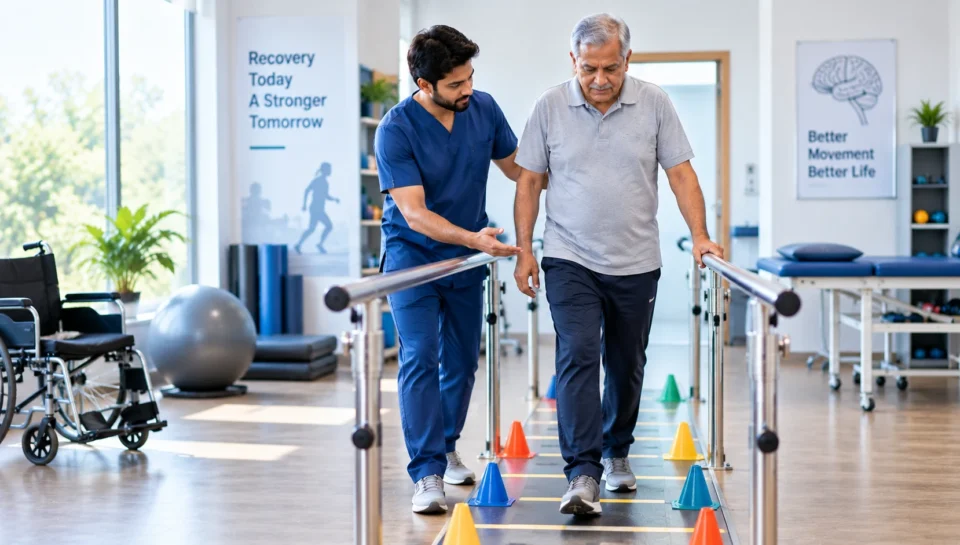
A stroke can affect movement, coordination, muscle strength, posture, and balance. For many stroke survivors, walking may become slower or less stable, while everyday activities such as standing up, turning, climbing stairs, or moving from a chair to a bed can become challenging.
Stroke rehabilitation plays an important role in helping survivors regain movement skills, improve balance, build strength, and become more independent. A personalized rehabilitation program can address the specific difficulties caused by the stroke and gradually help the person perform everyday movements more safely.
According to the American Stroke Association, stroke rehabilitation aims to restore as much independence as possible by improving physical function, mobility, balance, coordination, and other skills affected by stroke.
What Happens to Walking and Balance After a Stroke?
A stroke can damage areas of the brain responsible for controlling movement and coordination. Depending on the location and severity of the stroke, a person may experience weakness or paralysis on one side of the body, changes in walking patterns, difficulty maintaining balance, or problems coordinating movements.
Some common walking and balance difficulties include:
- Weakness in the leg or hip muscles
- Difficulty putting equal weight on both legs
- Short or uneven steps
- Difficulty lifting the foot while walking
- Poor posture and body alignment
- Difficulty turning or changing direction
- Trouble standing from a chair
- Reduced coordination
- Fear of falling
- Reduced confidence while walking
Foot drop can also occur after stroke and may make it difficult to clear the foot from the ground during walking, increasing unsteadiness and fall risk.
How Does Stroke Rehabilitation Improve Walking?
Stroke rehabilitation uses structured exercises and functional activities to help individuals regain control over movement. The exact treatment depends on the person’s strength, balance, walking ability, medical condition, and rehabilitation goals.
1. Strength Training
Muscle weakness is common after stroke and can directly affect walking ability. Rehabilitation may include exercises designed to strengthen the legs, hips, core, and other muscles involved in movement.
Improved strength can make activities such as standing, transferring, climbing stairs, and walking easier.
The American Stroke Association notes that exercise programs after stroke can help improve physical function, including mobility, walking, and balance.
2. Gait Training
Gait training focuses specifically on improving the way a person walks.
A physiotherapist may assess:
- Step length
- Walking speed
- Foot placement
- Weight shifting
- Posture
- Leg control
- Ability to start and stop walking
- Turning and changing direction
Walking practice can then be introduced according to the person’s current ability. NICE recommends walking training for people after stroke who can walk with or without assistance, with the goal of improving walking ability and endurance.
3. Balance Training
Balance is essential for safe walking. After a stroke, weakness, coordination problems, changes in sensation, or impaired motor control can make it difficult to maintain a stable position.
A rehabilitation program may include exercises involving:
- Weight shifting
- Sitting and standing balance
- Controlled reaching
- Maintaining standing posture
- Stepping in different directions
- Turning
- Changing surfaces or walking environments when appropriate
Balance exercises should always be selected according to the individual’s abilities and safety requirements.
4. Improving Weight Shifting
Many stroke survivors have difficulty placing equal weight through both legs. They may rely heavily on the stronger side, which can affect posture and walking symmetry.
Physiotherapy can use controlled weight-shifting activities to help the person gradually improve awareness and control of the affected side.
This can contribute to better stability during standing and walking.
5. Coordination Exercises
Walking requires multiple body parts to work together at the right time. After a stroke, coordination may be affected.
Rehabilitation may therefore include activities that encourage controlled movement of the legs, trunk, and arms. Repeated practice helps the person work toward more coordinated and functional movement.
How Stroke Rehabilitation Helps Prevent Falls
Balance problems and weakness can increase the risk of falling after a stroke. Falls can lead to injuries and may create a fear of walking, which can further reduce physical activity and confidence.
Stroke rehabilitation can address fall risk through:
- Balance training
- Walking practice
- Strengthening exercises
- Gait correction
- Safe transfer training
- Assistive-device training
- Home-safety education
- Functional movement practice
The American Stroke Association recommends following a physical therapist’s guidance regarding exercises, supervision, and the use of devices such as walkers, canes, or braces when prescribed. It also recommends addressing hazards in the home environment.
Role of Assistive Devices in Stroke Rehabilitation
Some stroke survivors may temporarily or permanently need an assistive device to walk safely. Depending on the person’s condition, a physiotherapist may recommend a cane, walker, brace, or another appropriate support.
The goal is not simply to provide a device but to ensure that the person understands how and when to use it safely.
For example, people experiencing foot drop may benefit from specific gait training and, when appropriate, an ankle-foot orthosis. NICE recommends considering ankle-foot orthoses for people whose foot clearance or stance control is affected after stroke.
Functional Training for Everyday Movement
Walking in a clinic is only one part of stroke recovery. The ultimate goal is often to make everyday activities easier and safer.
Functional rehabilitation may include practicing:
- Getting up from a chair
- Getting in and out of bed
- Walking to the bathroom
- Turning around safely
- Navigating obstacles
- Climbing stairs
- Reaching while standing
- Walking short distances independently
These activities help connect rehabilitation exercises with real-life movement.
Why Personalized Stroke Rehabilitation Matters
Every stroke is different. Two people may have similar diagnoses but completely different movement and balance challenges.
One person may mainly need help with leg strength, while another may have difficulty with coordination, foot placement, balance, or walking endurance.
For this reason, rehabilitation should be based on an individual assessment rather than a one-size-fits-all exercise routine. The American Stroke Association emphasizes that rehabilitation plans should be tailored to each survivor’s needs, abilities, and goals.
Can Walking Improve Months After a Stroke?
Yes. Recovery does not necessarily stop after leaving the hospital or completing an initial rehabilitation program. The pace of improvement varies from person to person, and some individuals continue making progress months or even years after a stroke.
Consistent practice, appropriate physical activity, and professional guidance can help support continued improvements in strength, mobility, balance, and functional independence.
However, exercises should be selected according to the individual’s condition. The American Stroke Association recommends discussing exercise with a healthcare professional or physical therapist before starting an exercise program.
How Family Members Can Support Stroke Recovery
Family members and caregivers can play an important role in rehabilitation. They can encourage safe practice, help maintain a suitable home environment, and follow the recommendations provided by the rehabilitation team.
However, caregivers should avoid assisting with exercises or walking techniques unless they have been shown how to do so safely. Too much assistance can sometimes reduce the survivor’s opportunity to practice independent movement.
Patience is also important. Stroke recovery can take time, and small improvements such as standing more steadily, taking a few additional steps, or turning more safely can represent meaningful progress.
Stroke Rehabilitation at Book My Rehab
Book My Rehab offers trusted physiotherapy and rehabilitation in Vasai, Virar, and Nalasopara, providing personalized care for pain relief, recovery, and better mobility through expert-led, evidence-based treatments. We believe that recovery is more than just healing it’s about regaining strength, restoring confidence, and getting back to the life you love.
For stroke survivors, rehabilitation can focus on improving mobility, balance, strength, coordination, walking ability, and independence according to individual needs and recovery goals.
Conclusion
Stroke can significantly affect walking and balance, but rehabilitation can provide an important pathway toward improved mobility and independence. Through strength training, gait training, balance exercises, coordination activities, functional practice, and appropriate assistive devices, stroke survivors can work toward safer and more confident movement.
Recovery is different for everyone, and progress may take time. With consistent rehabilitation and appropriate professional guidance, many stroke survivors can continue developing their physical abilities and participating more independently in everyday life.
Frequently Asked Questions
Yes. Physiotherapy can work on strength, gait, coordination, balance, and functional movement to help improve walking ability.
It may use structured balance, weight-shifting, posture, coordination, and functional movement exercises based on the person’s individual abilities.
Rehabilitation can address several factors associated with falls, including weakness, poor balance, walking difficulties, and unsafe movement patterns.
Rehabilitation generally begins as soon as the person is medically stable and able to participate. It can continue after hospital discharge and may still be beneficial later in recovery.
Walking exercises should be performed according to the person’s medical and functional condition. A physiotherapist can determine the appropriate level of assistance, exercise, and supervision.