
Neuro Rehabilitation Centre in Nalasopara: A Guide to Neurological Recovery
 by
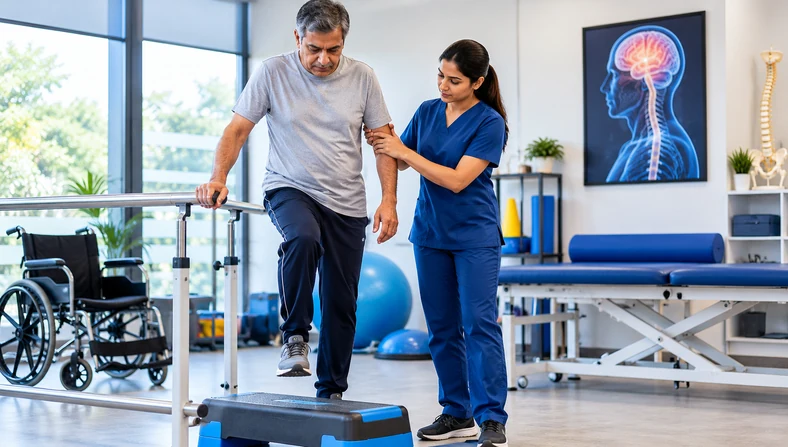
Neurological conditions can affect movement, balance, coordination, muscle strength, speech, and the ability to perform everyday activities. Conditions such as stroke, Parkinson’s disease, spinal cord injuries, traumatic brain injuries, and certain nerve disorders may create challenges that affect a person’s independence and quality of life.
Neuro rehabilitation plays an important role in helping individuals work toward improved physical function and daily living skills. Through a structured, personalized rehabilitation program, patients may work on movement, balance, coordination, strength, and functional activities according to their needs and medical condition.
For individuals and families looking for a neuro rehabilitation centre in Nalasopara, understanding the rehabilitation process can help them make informed decisions about neurological care and recovery.
What Is Neuro Rehabilitation?
Neuro rehabilitation is a specialized approach to rehabilitation for people affected by conditions involving the brain, spinal cord, or peripheral nerves. Its primary purpose is to help individuals improve or maintain their functional abilities and participate more comfortably in everyday life.
Neurological conditions can affect people differently. One person may experience difficulty walking, while another may have reduced hand coordination, muscle stiffness, weakness, or balance problems.
A rehabilitation program is therefore developed according to the individual’s condition, symptoms, physical abilities, medical advice, and recovery goals.
Depending on the patient’s needs, neuro rehabilitation may include physiotherapy, balance training, mobility exercises, functional movement practice, strengthening, and activities designed to improve independence.
Which Conditions May Require Neuro Rehabilitation?
Neuro rehabilitation may be recommended for people experiencing physical or functional difficulties due to various neurological conditions.
1. Stroke Rehabilitation
A stroke can affect the brain areas responsible for movement, balance, coordination, and other functions. Some people experience weakness on one side of the body, difficulty walking, reduced hand function, or problems performing daily activities.
Stroke rehabilitation may focus on improving movement, practising transfers, strengthening affected muscles, developing balance, and gradually rebuilding functional abilities.
The rehabilitation plan depends on the severity of the stroke, the patient’s current abilities, and recommendations from the treating medical team.
2. Parkinson’s Disease Rehabilitation
Parkinson’s disease can affect movement and coordination. Common difficulties may include slower movements, muscle stiffness, balance problems, and changes in walking patterns.
Rehabilitation may include gait training, balance exercises, posture activities, strength training, and movement strategies suited to the individual’s abilities.
The goal is to help patients maintain physical function, manage movement difficulties, and remain as independent as possible.
3. Spinal Cord Injury Rehabilitation
A spinal cord injury may affect sensation, muscle strength, movement, and other bodily functions. The effects depend on the location and severity of the injury.
Rehabilitation may involve mobility training, strengthening of available muscle groups, balance activities, transfer practice, and training with appropriate mobility aids.
The program should be coordinated with the medical team and adapted to the person’s specific limitations and safety requirements.
4. Traumatic Brain Injury Rehabilitation
A traumatic brain injury may affect physical movement, coordination, balance, and the ability to perform routine activities.
Depending on the patient’s needs, rehabilitation may focus on safe mobility, functional movement, strength, balance, and coordination. Some individuals may also require occupational therapy, speech therapy, or cognitive rehabilitation from appropriately qualified professionals.
5. Peripheral Nerve Disorders and Other Neurological Conditions
Certain nerve disorders can cause muscle weakness, altered sensation, reduced coordination, or difficulty walking.
A qualified healthcare professional can assess the underlying condition and determine whether neuro rehabilitation is appropriate. Treatment may include selected strengthening, balance, movement, and functional exercises based on the diagnosis.
Common Signs That Neuro Rehabilitation May Be Helpful
A professional assessment may be useful when a neurological condition affects everyday movement or independence.
Some difficulties that may indicate a need for rehabilitation include:
- Weakness in the arms or legs
- Difficulty walking or standing
- Reduced balance and coordination
- Changes in posture or walking patterns
- Difficulty getting up from a chair or transferring between surfaces
- Muscle stiffness or reduced joint movement
- Difficulty performing daily activities
- Reduced confidence during movement
These symptoms can have different causes, so a medical assessment is important before starting an exercise program.
How Does Neuro Physiotherapy Help?
Neuro physiotherapy focuses on improving physical function and movement following neurological conditions. Treatment is adapted to the patient’s abilities, goals, and medical requirements.
Improving Muscle Strength
Neurological conditions may reduce muscle strength and make routine activities more challenging. Appropriate strengthening exercises can help patients use their available muscle function more effectively.
Exercises are selected according to the person’s condition and should be progressed carefully.
Improving Balance and Coordination
Balance difficulties can make standing, turning, and walking more challenging. Rehabilitation may include supervised balance activities, controlled weight shifting, and coordination exercises when appropriate.
These activities aim to improve movement control and help patients practise daily tasks more safely.
Supporting Walking and Mobility
Some neurological conditions affect walking speed, step length, posture, or the ability to change direction.
Gait training may help patients practise walking with suitable assistance, mobility aids, or other prescribed support. The level of assistance depends on the patient’s abilities and safety needs.
Practising Everyday Activities
Neuro rehabilitation also focuses on practical tasks such as sitting down, standing up, transferring between surfaces, and moving around the home.
Practising these activities can help patients work toward greater independence in their daily routines.
What to Expect During a Neuro Rehabilitation Assessment
Before starting a rehabilitation program, the physiotherapist generally reviews the patient’s medical history, diagnosis, symptoms, current abilities, and treatment goals.
The assessment may consider muscle strength, joint movement, posture, balance, coordination, walking ability, and functional limitations.
The physiotherapist can then develop a plan suited to the patient’s needs and coordinate with the treating medical team when required.
Progress may be gradual. Rehabilitation goals and exercises can be adjusted as the patient’s abilities and tolerance change.
Neuro Rehabilitation Centre in Nalasopara: Care at Book My Rehab
For individuals searching for a neuro rehabilitation centre in Nalasopara, choosing a service that understands their functional needs is an important part of planning recovery.
Book My Rehab provides physiotherapy and rehabilitation services in Nalasopara, Vasai, and Virar. Its rehabilitation approach focuses on personalized care to support movement, strength, balance, mobility, and everyday functioning.
For patients experiencing neurological mobility difficulties, rehabilitation goals may include:
- Improving functional movement and physical strength
- Practising balance and walking activities
- Supporting posture and coordination
- Improving the ability to perform daily tasks
- Developing appropriate movement strategies
- Working toward greater functional independence
The specific treatment plan depends on the patient’s diagnosis, physical condition, and medical recommendations. Patients recovering from a stroke, brain injury, or spinal cord injury should follow the advice of their treating medical professionals.
Families and caregivers can also discuss safe ways to assist with daily activities and support the patient’s rehabilitation goals.
How to Choose the Right Neuro Rehabilitation Centre
When comparing rehabilitation services in Nalasopara, consider several practical factors.
Qualified professionals: Check the qualifications and relevant experience of the professionals involved in the rehabilitation program.
Personalized treatment: Rehabilitation should reflect the patient’s diagnosis, abilities, safety requirements, and functional goals rather than follow the same routine for everyone.
Progress monitoring: Ask how progress will be assessed and how treatment goals may change over time.
Patient and caregiver guidance: Clear instructions can help families understand how to support safe movement and daily activities at home.
Coordination with medical care: Neurological rehabilitation should complement the patient’s overall treatment plan, particularly when the condition involves complex medical needs.
Choosing a rehabilitation service based on these factors can help patients and families make a more informed decision.
Tips for Supporting Neurological Recovery at Home
Rehabilitation does not end when a therapy session is complete. Depending on the patient’s condition, the treating team may recommend suitable activities or strategies to support progress at home.
Follow the prescribed exercise plan and avoid introducing new exercises without appropriate guidance. Keep pathways clear, use recommended mobility aids, and follow fall-prevention advice.
Caregivers should provide assistance according to the patient’s needs without attempting unsafe lifting or transfers. Adequate rest and consistent follow-up with the medical and rehabilitation team are also important.
Recovery differs from person to person. Progress should be assessed against realistic, individualized goals rather than a fixed timeline.
Conclusion
Neurological conditions can affect movement, balance, strength, coordination, and independence. Neuro rehabilitation offers a structured approach to helping individuals practise functional activities and work toward improved physical abilities.
If you are looking for a neuro rehabilitation centre in Nalasopara, consider the patient’s specific needs, the qualifications of the rehabilitation professionals, the treatment approach, and the support available throughout recovery.
Book My Rehab provides physiotherapy and rehabilitation services in Nalasopara, Vasai, and Virar, with a focus on personalized rehabilitation and functional improvement.
A professional assessment can help determine the most appropriate rehabilitation goals and next steps for an individual’s condition.
Frequently Asked Questions
A neuro rehabilitation centre provides rehabilitation support for people experiencing functional difficulties related to neurological conditions. Depending on the services available, treatment may include mobility training, strengthening, balance exercises, and functional movement practice.
People recovering from stroke, brain injury, spinal cord injury, Parkinson’s disease, or certain nerve disorders may benefit when neurological symptoms affect movement or daily activities. Suitability depends on an individual’s diagnosis and medical condition.
Neuro physiotherapy may help some patients improve walking ability by addressing strength, balance, coordination, and movement patterns. Outcomes depend on the underlying condition, its severity, and the individual’s response to rehabilitation.
The duration varies according to the neurological condition, severity of symptoms, medical stability, functional goals, and progress. A rehabilitation professional can help establish and review an individualized plan.
Yes. Stroke rehabilitation is an important part of recovery for many stroke patients. The program may focus on movement, balance, walking, strength, and daily activities, depending on the person’s needs and medical recommendations.
Book My Rehab provides physiotherapy and rehabilitation services in Nalasopara, Vasai, and Virar. Contact the centre to discuss your rehabilitation needs and confirm which services are appropriate for the patient’s condition.
Sudden facial drooping, weakness or numbness on one side, difficulty speaking, sudden loss of balance, or sudden vision changes may indicate a stroke and require emergency medical attention. Do not delay emergency care to arrange a rehabilitation appointment.