
ACL Surgery in Nalasopara: A Complete Guide to Treatment and Recovery
 by
by 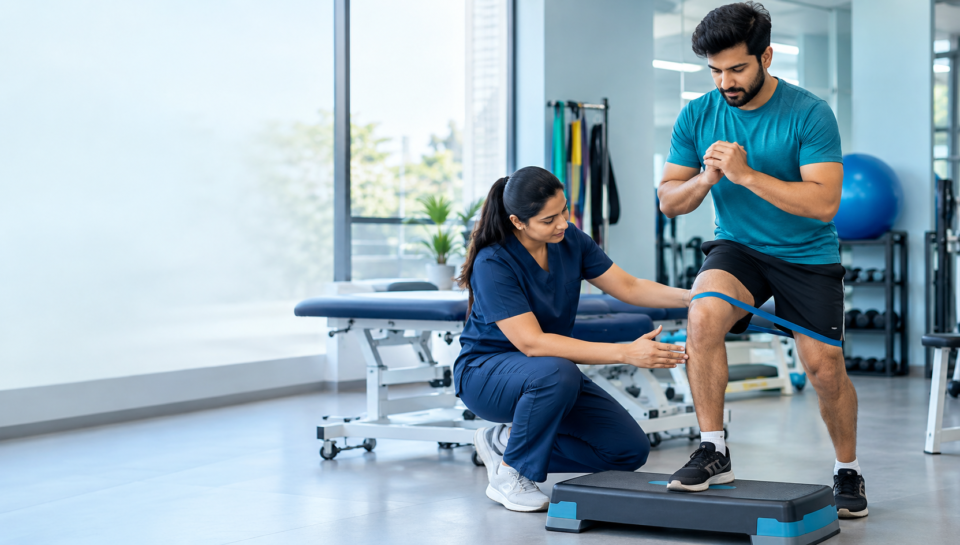
An ACL injury is one of the most common knee injuries among athletes and physically active people. It can happen during football, cricket, basketball, running, jumping, or even a sudden change in direction. A torn ACL may cause knee pain, swelling, instability, and difficulty returning to normal activities.
For people searching for ACL surgery in Nalasopara, it is important to understand that surgery is not automatically required for every ACL injury. The appropriate treatment depends on the severity of the injury, activity level, knee stability, associated injuries, and the individual’s goals.
This guide explains ACL injuries, when surgery may be considered, what recovery involves, and why rehabilitation is an important part of the recovery process.
What Is an ACL Injury?
The anterior cruciate ligament (ACL) is one of the major ligaments inside the knee. It helps provide stability, particularly during movements that involve changing direction, stopping, pivoting, or jumping.
An ACL injury can range from a mild ligament strain to a partial or complete tear.
Common symptoms may include:
- A popping sensation at the time of injury
- Knee pain
- Swelling
- Difficulty putting weight on the affected leg
- Reduced knee movement
- A feeling that the knee may give way
- Difficulty running, jumping, or changing direction
An ACL injury can occur by direct contact, but many injuries happen without direct contact for example, when a person suddenly changes direction or lands awkwardly after a jump.
What Causes an ACL Tear?
ACL injuries are commonly associated with activities that involve rapid changes in movement.
Some common situations include:
- Sudden stopping while running
- Changing direction quickly
- Landing incorrectly after a jump
- Pivoting while the foot is planted
- Contact during sports
- Falling awkwardly
Sports such as football, basketball, cricket, kabaddi, tennis, and other activities involving cutting and pivoting can place significant demands on the knee.
How Is an ACL Injury Diagnosed?
A proper diagnosis is important before deciding whether surgery is appropriate.
An orthopaedic specialist may assess:
- The mechanism of injury
- Knee swelling
- Range of motion
- Knee stability
- Walking ability
- Muscle strength
- Associated injuries
Imaging may also be recommended. An MRI can help evaluate the ACL and identify other structures that may have been injured, such as the meniscus or cartilage.
The diagnosis should consider both the imaging findings and the patient’s symptoms and physical examination.
Does Every ACL Tear Require Surgery?
No.
Not every ACL injury requires surgery. Treatment depends on several factors, including whether the tear is partial or complete, whether the knee remains stable, the person’s activity level, and whether other knee structures are injured.
Non-surgical management may be considered for some people, particularly when knee instability is limited or the individual’s activities do not require frequent pivoting.
For active individuals who experience persistent instability or want to return to sports involving cutting and pivoting, an orthopaedic specialist may consider ACL reconstruction.
A personalized medical evaluation is therefore important before making a decision about surgery.
When May ACL Surgery Be Recommended?
ACL reconstruction may be considered in situations such as:
- Persistent knee instability
- Complete ACL tear with functional instability
- Associated meniscus or ligament injuries
- High-demand sports participation
- Repeated episodes of the knee giving way
- Difficulty performing desired activities because of instability
The final decision should be made with an appropriately qualified orthopaedic specialist after reviewing the patient’s examination, imaging, lifestyle, and goals.
What Happens During ACL Reconstruction?
ACL reconstruction is a surgical procedure in which the damaged ACL is reconstructed using a graft.
The graft may come from the patient’s own tissue or, in selected circumstances, from donor tissue.
The surgeon will determine the most appropriate surgical technique and graft option based on the individual’s condition and clinical requirements.
The procedure is commonly performed using minimally invasive arthroscopic techniques, although the exact surgical approach varies.
Patients should discuss the procedure, graft options, potential risks, expected outcomes, and recovery timeline with their orthopaedic surgeon.
Why Rehabilitation Is Important Before ACL Surgery
Rehabilitation is not only important after surgery. Pre-surgery rehabilitation, sometimes called prehabilitation, may also be recommended.
Before surgery, the goals may include:
- Reducing swelling
- Restoring knee movement
- Improving quadriceps strength
- Improving overall leg strength
- Developing better movement control
- Preparing the patient for postoperative rehabilitation
Entering surgery with better knee movement and appropriate muscle strength may help create a better foundation for recovery.
The exact preoperative program should be designed according to the patient’s condition and the surgeon’s recommendations.
ACL Surgery Recovery: What to Expect
ACL recovery takes time and usually involves several stages. The timeline varies according to the surgical procedure, associated injuries, individual healing, rehabilitation progress, and the demands of the person’s sport or activity.
Early Recovery
Immediately after surgery, rehabilitation generally focuses on protecting the knee while gradually restoring basic function.
Depending on the surgeon’s instructions, early goals may include:
- Managing swelling
- Restoring knee movement
- Activating the quadriceps
- Improving safe walking
- Gradually increasing weight-bearing
- Maintaining appropriate mobility
Assistive devices such as crutches may be used temporarily when recommended.
Strength and Mobility Phase
As healing progresses, rehabilitation can become more active.
Exercises may focus on:
- Quadriceps strength
- Hamstring strength
- Hip strength
- Knee mobility
- Balance
- Coordination
- Controlled weight-bearing
The intensity should increase gradually rather than rushing the recovery process.
Functional Training
Later rehabilitation focuses increasingly on functional movement.
Depending on the individual’s goals, this can include:
- Squatting
- Stepping
- Controlled jumping
- Balance activities
- Single-leg exercises
- Movement coordination
- Sport-specific activities
For athletes, rehabilitation eventually needs to address the movement demands of their particular sport.
How Physiotherapy Helps After ACL Surgery
Physiotherapy is an important component of ACL recovery.
A physiotherapist can help monitor movement, strength, flexibility, balance, and functional progress while following the rehabilitation protocol provided by the treating medical team.
Postoperative rehabilitation may focus on:
Pain and swelling management: Helping the patient manage postoperative symptoms appropriately.
Range of motion: Gradually working toward appropriate knee movement.
Strengthening: Rebuilding muscle strength that may have decreased following the injury and surgery.
Balance and proprioception: Improving the body’s ability to control the knee during movement.
Gait training: Helping the patient progress toward a safer and more normal walking pattern.
Functional training: Gradually preparing the patient for daily activities and, eventually, higher-level physical activities.
Returning to Sports After ACL Surgery
Returning to sports should not be based only on how many months have passed since surgery.
A safer return-to-sport decision may consider:
- Knee stability
- Muscle strength
- Movement quality
- Balance
- Jumping and landing mechanics
- Sport-specific performance
- Psychological readiness
- Medical and rehabilitation assessments
Returning too quickly can increase the risk of setbacks or reinjury.
Athletes should therefore follow the progression recommended by their orthopaedic surgeon and rehabilitation team rather than comparing their recovery timeline with another athlete.
ACL Rehabilitation in Nalasopara
For people undergoing ACL surgery in Nalasopara, access to structured rehabilitation close to home can make it easier to maintain consistency throughout recovery.
Book My Rehab provides physiotherapy and rehabilitation services in Nalasopara, Vasai, and Virar. Our rehabilitation approach focuses on personalized care, strength, mobility, balance, functional movement, and progressive recovery.
For ACL patients, rehabilitation can be adapted according to the surgical protocol, stage of recovery, physical condition, and individual goals. Patients should always follow the restrictions and instructions provided by their orthopaedic surgeon.
How to Choose the Right ACL Specialist in Nalasopara
If you are looking for an ACL surgeon in Nalasopara, consider factors beyond online ratings.
You can ask about:
- Orthopaedic qualifications
- Experience with ACL reconstruction
- Experience treating sports injuries
- Surgical approach and graft options
- Associated knee injuries
- Expected recovery process
- Rehabilitation protocol
- Follow-up arrangements
It is also important to understand the difference between surgery and rehabilitation. The surgeon manages the surgical aspect of the injury, while physiotherapy and rehabilitation help restore strength, movement, stability, and function during recovery.
Tips for a Better ACL Recovery
A successful recovery requires patience and consistency.
Follow the rehabilitation protocol
Do not progress exercises faster than recommended by your medical and rehabilitation team.
Focus on gradual strength development
Muscle strength takes time to rebuild after ACL injury and surgery.
Don’t ignore pain or swelling
Persistent or worsening symptoms should be discussed with the treating healthcare professional.
Maintain rehabilitation consistency
Missing rehabilitation sessions or avoiding prescribed exercises can make it harder to achieve recovery goals.
Don’t rush back to sports
Being able to walk normally does not necessarily mean the knee is ready for high-demand sports.
Conclusion
An ACL tear can significantly affect mobility, sports participation, and confidence in the knee. ACL surgery in Nalasopara may be an appropriate treatment option for some people, particularly when significant instability or high physical demands are present, but surgery is not automatically necessary for every ACL injury.
A proper diagnosis, consultation with an experienced orthopaedic specialist, appropriate surgical decision-making, and structured rehabilitation all play important roles in recovery.
For patients who undergo ACL reconstruction, physiotherapy can help progressively restore knee movement, strength, balance, coordination, walking ability, and functional performance. The recovery process takes time, and returning to sports should happen only when appropriate clinical and functional milestones have been achieved.
Frequently Asked Questions
1. Does every ACL tear require surgery?
No. Some ACL injuries can be managed without surgery. The decision depends on knee stability, injury severity, activity level, associated injuries, and individual goals.
2. How long does ACL surgery recovery take?
Recovery varies between individuals and depends on the surgery, associated injuries, rehabilitation progress, and activity goals. Returning to competitive sports generally requires a longer rehabilitation period than returning to normal daily activities.
3. Is physiotherapy necessary after ACL surgery?
Structured rehabilitation is an important part of recovery after ACL reconstruction. It helps progressively restore movement, strength, balance, and function.
4. Can I return to sports after ACL surgery?
Many people return to sports after ACL reconstruction, but return should be based on appropriate strength, stability, movement, functional, and medical criteria rather than time alone.
5. Where can I get ACL rehabilitation in Nalasopara?
Book My Rehab provides physiotherapy and rehabilitation services in Nalasopara, with individualized programs designed to support recovery after sports injuries and orthopaedic procedures.