
Knee Replacement Physiotherapy in Nalasopara West: A Complete Recovery Guide
 by
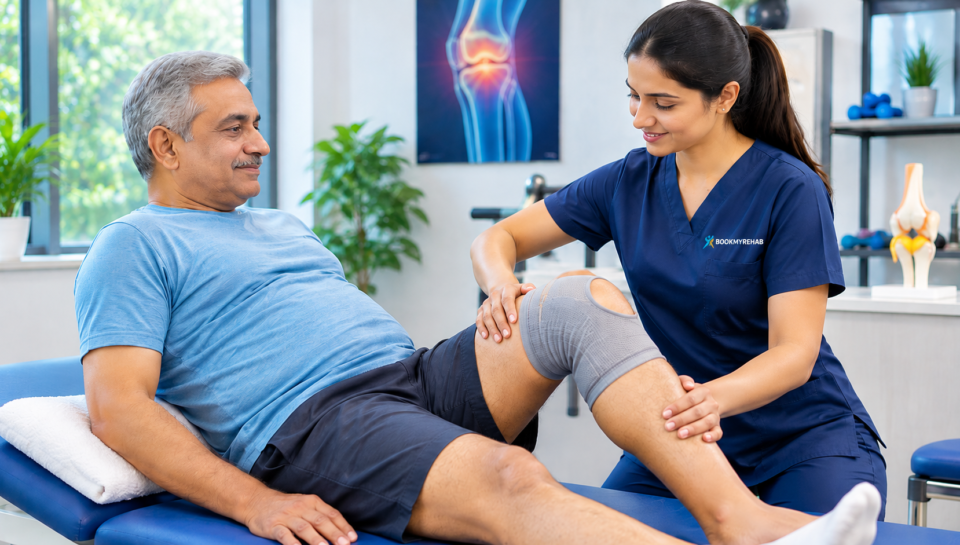
Knee replacement surgery can help people with severe knee joint damage regain mobility and improve their quality of life. However, surgery is only one part of the recovery journey. Proper rehabilitation and physiotherapy are equally important for rebuilding strength, improving knee movement, and gradually returning to everyday activities.
If you are searching for knee replacement physiotherapy in Nalasopara West, choosing a rehabilitation centre that offers personalised care and guided exercises can make an important difference to your recovery experience.
At Book My Rehab, we provide physiotherapy and post-surgical rehabilitation support focused on improving mobility, strength, flexibility, and functional independence. Our patient-centred approach helps individuals work towards their recovery goals through structured rehabilitation.
Why Is Physiotherapy Important After Knee Replacement Surgery?
After knee replacement surgery, patients may experience pain, swelling, stiffness, muscle weakness, and difficulty walking. These challenges can make routine activities such as standing, climbing stairs, sitting, and getting out of bed difficult.
Physiotherapy helps patients gradually work on these limitations through supervised exercises and rehabilitation techniques.
Some important benefits include:
- Improved knee mobility: Guided exercises help patients gradually work towards better knee bending and straightening.
- Muscle strengthening: Strengthening the muscles around the knee supports stability and movement.
- Better walking ability: Gait training helps patients practise walking with appropriate support.
- Improved balance: Balance exercises can help patients develop confidence during movement.
- Daily activity training: Rehabilitation focuses on improving the ability to perform routine tasks independently.
The rehabilitation programme should always follow the surgeon’s instructions and the patient’s individual recovery needs.
Common Challenges After Knee Replacement Surgery
Recovery is different for every patient. Some people regain movement relatively quickly, while others need more time and structured support.
Common challenges include:
1. Knee Pain and Swelling
Some discomfort and swelling are common after surgery. Physiotherapy guidance and appropriate post-operative care can help patients manage these symptoms.
2. Knee Stiffness
Patients may experience difficulty bending or straightening the operated knee. Prescribed mobility exercises can help gradually improve the range of movement.
3. Muscle Weakness
Reduced activity before and after surgery can affect the strength of the thigh and surrounding muscles. Strengthening exercises help rebuild functional support.
4. Difficulty Walking
Patients may initially require a walker or other walking aid. Supervised gait training helps them practise safe walking and gradually improve mobility.
5. Difficulty Climbing Stairs
Climbing stairs requires strength, coordination, and balance. Rehabilitation can include task-specific training when the patient is ready.
Types of Physiotherapy Exercises After Knee Replacement
The exercises recommended after knee replacement surgery depend on the patient’s condition, surgical instructions, and stage of recovery. A physiotherapist may include the following exercises when appropriate.
Ankle Pumps
Ankle movements help maintain circulation in the lower legs during the early recovery period. They are often included in post-operative exercise programmes when approved by the healthcare team.
Quadriceps Strengthening
These exercises focus on strengthening the muscles at the front of the thigh, which support knee movement and stability.
Heel Slides
Heel slides involve gently bending the knee by sliding the heel towards the body. They may be prescribed to improve knee flexibility.
Straight Leg Raises
When appropriate, straight leg raises help strengthen the thigh muscles while keeping the knee relatively straight.
Walking and Gait Training
Walking practice helps patients improve coordination, balance, and confidence. A physiotherapist may guide the use of a walker or other mobility aid.
Important: Do not begin exercises independently without appropriate post-surgical guidance. Stop and consult your healthcare professional if an exercise causes unusual pain or worsening symptoms.
Stages of Knee Replacement Rehabilitation
Recovery generally progresses through different stages. The timeline varies depending on the patient’s age, overall health, surgical procedure, and response to rehabilitation.
Early Recovery Phase
The initial phase focuses on managing post-operative symptoms, gentle knee movement, circulation, and safe transfers from bed to chair. Patients may begin walking short distances with support when medically cleared.
Mobility and Strengthening Phase
As recovery progresses, physiotherapy may focus on improving knee flexibility, strengthening the thigh muscles, and increasing walking ability.
Functional Recovery Phase
Later rehabilitation may include balance exercises, stair practice, walking endurance, and movements needed for daily activities.
Long-Term Maintenance Phase
Patients may continue prescribed exercises to maintain strength, flexibility, and mobility. Regular physical activity should follow professional recommendations.
How to Choose the Right Knee Replacement Physiotherapy Centre in Nalasopara West
Selecting the right rehabilitation provider is an important decision after surgery. Consider the following factors before choosing a physiotherapy centre:
Qualified physiotherapy professionals: Look for a team with appropriate clinical training and experience in orthopaedic and post-surgical rehabilitation.
Personalised rehabilitation plans: Exercises and therapy should be adjusted according to the patient’s condition and recovery progress.
One-to-one attention: Individual supervision can help ensure that exercises are performed with appropriate guidance.
Rehabilitation facilities: Access to suitable equipment and a supportive therapy environment can help patients work on their mobility goals.
Clear recovery guidance: Patients and caregivers should understand the exercise plan, precautions, and expected rehabilitation milestones.
Why Choose Book My Rehab for Knee Replacement Physiotherapy in Nalasopara West?
Book My Rehab offers physiotherapy and rehabilitation services for individuals recovering from surgery, orthopaedic conditions, injuries, and mobility-related concerns.
Our rehabilitation approach focuses on individual needs and functional recovery.
Some of the features highlighted on our website include:
- One-to-one personalised care: Individual attention and guidance during physiotherapy sessions.
- Orthopaedic rehabilitation: Support for improving movement, strength, and physical function.
- Post-surgical rehabilitation: Physiotherapy support for patients recovering after surgical procedures.
- Advanced rehabilitation facilities: Access to modern rehabilitation approaches, including robotic physiotherapy and hydrotherapy facilities.
- Patient-centred care: Rehabilitation plans focused on mobility, confidence, and daily functional activities.
If you or a family member needs knee replacement rehabilitation, our team can help you understand the available physiotherapy support and the next steps towards recovery.
Tips for a Better Recovery After Knee Replacement
Along with supervised physiotherapy, following your healthcare professional’s instructions can support a safer recovery.
- Follow the exercise programme recommended by your physiotherapist.
- Avoid excessive activity during the early recovery period.
- Use walking aids as advised by your healthcare team.
- Follow wound-care and medication instructions provided by your surgeon.
- Attend scheduled follow-up appointments.
- Maintain a balanced diet and follow appropriate hydration and rest routines.
- Report unusual swelling, fever, wound discharge, or worsening pain to your medical team promptly.
Conclusion
Knee replacement surgery is an important step towards improving mobility for people with severe knee joint problems, but rehabilitation plays a major role in the recovery process. Physiotherapy helps patients work towards better knee movement, muscle strength, balance, walking ability, and independence.
If you are looking for knee replacement physiotherapy in Nalasopara West, Book My Rehab offers orthopaedic and post-surgical rehabilitation support with a personalised, patient-focused approach.
Contact Book My Rehab to learn more about available physiotherapy services and take the next step towards your rehabilitation goals.
Frequently Asked Questions
1. How soon should physiotherapy start after knee replacement surgery?
Physiotherapy often begins shortly after surgery, sometimes within the first day, depending on the surgeon’s instructions and the patient’s medical condition. The timing and exercises should be guided by the treating healthcare team.
2. How long does knee replacement physiotherapy take?
The duration varies between patients. Many people continue rehabilitation for several weeks or months, depending on their strength, mobility, surgical recovery, and functional goals.
3. Is walking important after knee replacement surgery?
Yes. Walking is generally an important part of rehabilitation once the patient is medically cleared. It helps improve mobility, endurance, and confidence when performed with appropriate support.
4. Can physiotherapy improve knee bending after replacement surgery?
Physiotherapy can help patients gradually improve knee flexibility and range of movement through prescribed exercises. Progress depends on individual recovery and should be monitored by a physiotherapist.
5. Can elderly patients undergo knee replacement physiotherapy?
Yes. Older adults can benefit from appropriately planned rehabilitation after knee replacement surgery. Exercises should be adjusted according to their strength, balance, medical conditions, and functional abilities.
6. Where can I find knee replacement physiotherapy in Nalasopara West?
Book My Rehab provides orthopaedic and post-surgical rehabilitation services in Nalasopara West. You can contact the centre to enquire about physiotherapy sessions and suitable rehabilitation support.