
Arthritis Rehabilitation in Nalasopara: A Complete Guide to Managing Joint Pain and Mobility
 by
by 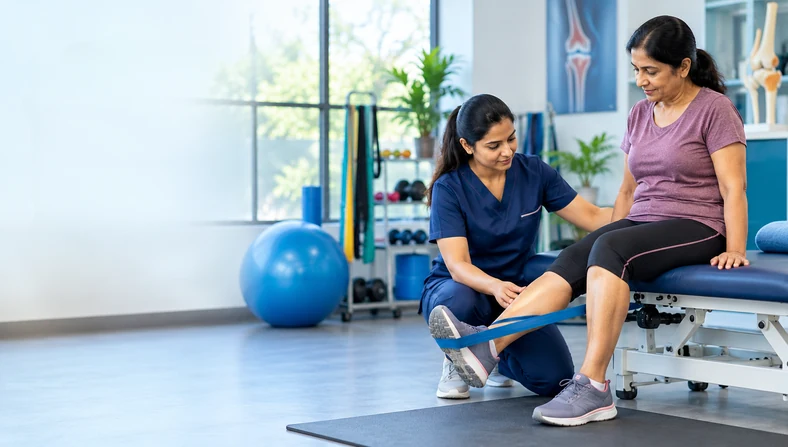
Arthritis is a common condition that can affect the joints, causing pain, stiffness, swelling, and difficulty with everyday movement. For some people, symptoms may make activities such as walking, climbing stairs, getting up from a chair, or performing household tasks increasingly challenging.
While arthritis cannot always be completely reversed, appropriate arthritis rehabilitation can help people manage symptoms, maintain joint mobility, improve muscle strength, and stay active. A rehabilitation program is usually tailored to the individual’s symptoms, physical abilities, affected joints, and daily goals.
For people looking for arthritis rehabilitation in Nalasopara, understanding how physiotherapy and rehabilitation can support joint health is an important first step.
What Is Arthritis?
Arthritis is a broad term used for conditions that affect the joints. Different types of arthritis can have different causes and symptoms.
Common types include:
- Osteoarthritis: Often associated with changes in the joints over time and can affect the knees, hips, hands, and spine.
- Rheumatoid arthritis: An autoimmune condition that can cause inflammation in multiple joints.
- Gout: A form of inflammatory arthritis associated with uric acid crystal deposits in joints.
- Psoriatic arthritis: An inflammatory form of arthritis associated with psoriasis.
Symptoms vary between individuals but may include joint pain, stiffness, swelling, reduced range of motion, and difficulty performing physical activities.
Common Symptoms That Can Affect Mobility
Arthritis does not only cause discomfort. Persistent joint symptoms can also affect how a person moves.
Some common problems include:
- Pain while walking or exercising
- Morning or prolonged-rest stiffness
- Reduced joint flexibility
- Muscle weakness around an affected joint
- Difficulty climbing stairs
- Reduced walking tolerance
- Difficulty standing for long periods
- Changes in movement patterns
- Reduced confidence while moving
For example, someone with knee arthritis may gradually reduce walking because of pain. Over time, less physical activity can contribute to muscle weakness and reduced overall mobility.
How Arthritis Rehabilitation Can Help
Arthritis rehabilitation focuses on helping individuals maintain or improve their physical function while managing symptoms.
A physiotherapist may assess joint movement, muscle strength, flexibility, balance, walking ability, posture, and functional limitations before developing an appropriate rehabilitation plan.
Treatment may include exercise therapy, mobility training, strengthening, functional activities, education, and strategies for managing physical activity.
1. Improving Joint Mobility
Joint stiffness can make everyday movement uncomfortable or difficult.
Gentle mobility exercises can help an individual work through an appropriate range of motion. These exercises may focus on the affected joint and surrounding muscles.
The type and intensity of movement should be adapted to the person’s condition rather than following a generic exercise routine.
2. Strengthening the Muscles Around the Joints
Strong muscles can provide better support during movement and everyday activities.
For example, strengthening exercises for the hips and thighs may be included when someone has knee-related mobility problems. Exercises may also target the core or other muscle groups depending on the person’s needs.
The goal is to gradually improve strength without unnecessarily aggravating joint symptoms.
3. Improving Flexibility
Reduced flexibility can make movements such as bending, standing, reaching, or walking more difficult.
A rehabilitation program may include appropriate stretching and flexibility exercises to help maintain functional movement.
Flexibility work should be performed within comfortable limits, particularly when joints are painful or inflamed.
4. Supporting Better Walking
Arthritis affecting the knees, hips, ankles, or feet can change the way a person walks.
A physiotherapist can assess walking patterns and identify factors such as weakness, reduced joint movement, or poor balance that may be contributing to mobility difficulties.
Rehabilitation may then incorporate gait and functional training to help the person move more safely and efficiently.
Exercise and Arthritis: Is It Safe?
Exercise is an important part of managing many forms of arthritis. The appropriate type and amount of exercise depend on the individual’s condition, symptoms, fitness level, and medical advice.
The American College of Rheumatology recommends regular physical activity for people with arthritis and notes that exercise can help improve pain, physical function, and quality of life. Low-impact activities such as walking, cycling, swimming, and water exercise may be suitable for many people.
However, exercise should be appropriately selected. If an activity consistently causes significant pain or worsening symptoms, a healthcare professional or physiotherapist can help modify the program.
Pain Management Through Rehabilitation
Pain management is an important part of arthritis rehabilitation.
A physiotherapist may help a patient understand how to balance activity and rest, modify movements, and gradually increase physical activity according to their tolerance.
Rehabilitation may also focus on improving muscle strength and movement patterns so that everyday activities can be performed more comfortably.
The objective is not simply to avoid movement because of pain. Instead, rehabilitation aims to help people find safe and sustainable ways to remain physically active.
Maintaining Independence With Arthritis
Arthritis can sometimes make everyday activities more difficult. Rehabilitation can focus on functional mobility, meaning the ability to perform practical movements required in daily life.
Depending on the person’s needs, therapy may include practice with:
- Getting up and sitting down
- Walking indoors and outdoors
- Climbing stairs
- Getting in and out of bed
- Bending and reaching
- Maintaining balance
- Performing household activities
Improving these skills can help individuals remain active and independent.
Arthritis Rehabilitation for Older Adults
Arthritis becomes particularly important to manage when joint symptoms begin affecting an older person’s independence.
Pain and stiffness may discourage movement, while reduced activity can contribute to muscle weakness and declining mobility.
For older adults, a rehabilitation program may therefore combine joint mobility, strengthening, balance, gait training, and functional activities.
This approach can be particularly useful when arthritis occurs alongside age-related changes in strength or balance.
When Should You Consider Arthritis Rehabilitation?
You may benefit from professional assessment if joint symptoms are affecting your ability to perform normal activities.
Consider discussing rehabilitation with a qualified healthcare professional if you experience:
- Persistent joint pain
- Increasing stiffness
- Difficulty walking
- Difficulty climbing stairs
- Reduced joint movement
- Muscle weakness
- Problems maintaining balance
- Difficulty performing daily activities
- Reduced physical activity because of joint symptoms
A physiotherapist can assess your current abilities and determine whether rehabilitation is appropriate.
Why Personalized Rehabilitation Matters
There is no single exercise program that works for everyone with arthritis.
The affected joints, type of arthritis, symptom severity, age, strength, mobility, medical history, and daily activities can all influence rehabilitation.
For this reason, a personalized approach can be more appropriate than simply following exercises found online.
A physiotherapist can gradually adjust exercises as mobility and strength change, while also considering the person’s comfort and functional goals.
Arthritis Rehabilitation in Nalasopara
Book My Rehab provides physiotherapy and rehabilitation services in Nalasopara, Vasai, and Virar, with a focus on personalized, evidence-based care.
For people experiencing arthritis-related pain and mobility difficulties, rehabilitation can focus on improving joint movement, muscle strength, flexibility, balance, walking ability, and functional independence.
The aim is to help individuals manage their physical limitations and participate more comfortably in everyday activities.
Practical Tips for Managing Arthritis and Staying Active
Along with professional rehabilitation, several general strategies may help support joint health:
Stay physically active: Regular movement can help maintain strength and function.
Avoid prolonged inactivity: Sitting or staying in one position for extended periods may increase stiffness.
Choose appropriate activities: Low-impact activities may be easier on painful joints.
Follow a gradual approach: Increase activity progressively rather than making sudden changes.
Listen to your body: Significant or persistent worsening of symptoms should be discussed with a healthcare professional.
Maintain a healthy lifestyle: Nutrition, sleep, physical activity, and weight management can all be relevant to overall joint health.
Conclusion
Arthritis can affect much more than the joints. Pain, stiffness, weakness, and reduced mobility can gradually interfere with walking, exercise, household activities, and independence.
Arthritis rehabilitation in Nalasopara can provide a structured approach to managing these challenges. Through personalized mobility exercises, strengthening, flexibility training, gait and functional training, and appropriate activity guidance, physiotherapy can help people work toward better movement and physical function.
The right rehabilitation approach depends on the individual’s condition and goals. If arthritis symptoms are making everyday movement difficult, a professional assessment can help determine the most suitable next steps.
Frequently Asked Questions
1. Can physiotherapy help with arthritis?
Physiotherapy can help many people with arthritis improve physical function, strength, mobility, and their ability to perform everyday activities.
2. What exercises are suitable for arthritis?
Suitable exercises vary depending on the affected joints and type of arthritis. Walking, cycling, swimming, strengthening, mobility, and flexibility exercises may be appropriate for some individuals.
3. Can arthritis rehabilitation improve walking?
Yes. Rehabilitation can address muscle weakness, joint mobility, balance, and movement patterns that may be affecting walking.
4. Should I exercise when my joints are painful?
The appropriate activity level depends on the cause and severity of the pain. A physiotherapist or healthcare professional can help determine which activities are appropriate and how they should be modified.
5. Is arthritis rehabilitation only for older adults?
No. Arthritis can affect people of different ages. Rehabilitation can be adapted according to the individual’s condition, physical abilities, and goals.