
Cerebral Palsy Treatment in Nalasopara West: Early Care for Better Mobility and Independence
 by
by 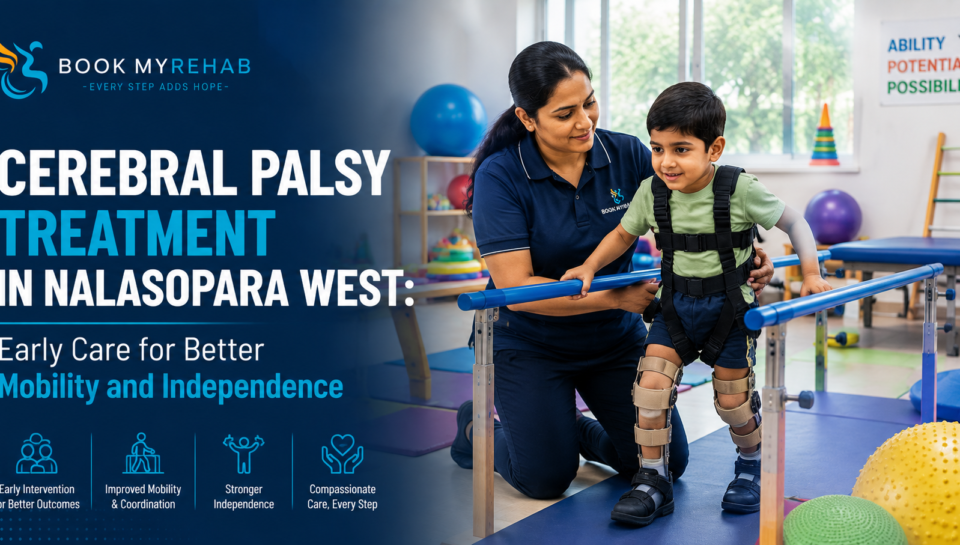
Cerebral palsy (CP) is a neurological condition that affects movement, muscle tone, posture, and coordination. While there is no permanent cure for cerebral palsy, early diagnosis and consistent rehabilitation can significantly improve a child’s mobility, independence, and overall quality of life.
If you’re searching for Cerebral Palsy treatment in Nalasopara West, finding the right rehabilitation center with experienced physiotherapists can make a meaningful difference in your child’s developmental journey. Personalized therapy programs help children achieve important milestones while improving strength, balance, and functional abilities.
In this blog, we’ll discuss cerebral palsy, its symptoms, available treatment options, and how rehabilitation plays a vital role in long-term care.
What is Cerebral Palsy?
Cerebral palsy is a group of disorders caused by damage to the developing brain, usually before, during, or shortly after birth. The condition primarily affects movement and posture but may also impact speech, learning, vision, hearing, and coordination.
The severity of cerebral palsy varies from one individual to another. Some children experience mild mobility issues, while others require ongoing rehabilitation and support.
Common Symptoms of Cerebral Palsy
Symptoms may vary depending on the type and severity of cerebral palsy.
Common signs include:
- Delayed developmental milestones
- Muscle stiffness or muscle weakness
- Poor balance and coordination
- Difficulty walking
- Abnormal posture
- Involuntary movements
- Difficulty with fine motor skills
- Speech and swallowing difficulties
- Joint stiffness
- Muscle spasms
Early recognition of these symptoms allows treatment to begin sooner, improving long-term outcomes.
Causes of Cerebral Palsy
Several factors may contribute to cerebral palsy, including:
- Brain injury before birth
- Lack of oxygen during delivery
- Premature birth
- Low birth weight
- Brain infections
- Stroke in infancy
- Head injuries during early childhood
- Genetic abnormalities affecting brain development
Although the brain injury itself does not worsen over time, its effects on muscles and movement can change as a child grows.
Importance of Early Cerebral Palsy Treatment in Nalasopara West
Early intervention is one of the most effective ways to improve mobility and functional independence.
Starting rehabilitation early helps:
- Improve muscle strength
- Enhance balance and coordination
- Increase flexibility
- Prevent joint deformities
- Improve posture
- Encourage independent movement
- Support cognitive and social development
- Build confidence in daily activities
Children who receive early therapy often achieve better physical and developmental progress than those who begin treatment later.
Physiotherapy for Cerebral Palsy
Physiotherapy is one of the most important components of cerebral palsy management.
Treatment focuses on:
- Stretching tight muscles
- Strengthening weak muscles
- Improving posture
- Balance training
- Walking practice
- Functional mobility exercises
- Gait training
- Range-of-motion exercises
- Coordination activities
Regular physiotherapy sessions help children perform daily activities more comfortably while reducing the risk of complications.
Occupational Therapy
Occupational therapy helps children become more independent in everyday life.
Therapists focus on improving:
- Dressing skills
- Feeding
- Writing abilities
- Hand-eye coordination
- Fine motor skills
- Self-care activities
- School participation
This therapy plays a major role in increasing confidence and independence.
Speech Therapy
Some children with cerebral palsy experience communication and swallowing difficulties.
Speech therapy helps improve:
- Speech clarity
- Language development
- Communication skills
- Oral muscle control
- Swallowing function
Early speech intervention supports both communication and social interaction.
Assistive Devices for Better Mobility
Depending on the child’s condition, rehabilitation specialists may recommend:
- Walkers
- Wheelchairs
- Standing frames
- Orthotic braces
- Customized seating systems
- Mobility aids
These devices improve movement while encouraging greater independence.
Home Care Tips for Parents
Parents play a vital role in their child’s rehabilitation journey.
Helpful practices include:
- Continue prescribed exercises at home
- Encourage physical activity
- Maintain regular therapy sessions
- Ensure proper nutrition
- Promote social interaction
- Celebrate small milestones
- Attend routine medical follow-ups
Consistency between therapy sessions and home care often leads to better long-term progress.
Why Choose Book My Rehab for Cerebral Palsy Treatment in Nalasopara West?
Choosing the right rehabilitation center is essential for achieving the best possible outcomes. Book My Rehab provides physiotherapy and rehabilitation services for individuals recovering from injuries, surgeries, neurological conditions, and mobility challenges. With a patient-focused approach, the team creates personalized rehabilitation plans designed to improve strength, movement, confidence, and independence.
For families seeking Cerebral Palsy treatment in Nalasopara West, Book My Rehab emphasizes compassionate care, evidence-based therapy techniques, and continuous support throughout the rehabilitation journey. Every treatment plan is tailored to the child’s unique needs and developmental goals, helping them maximize their functional abilities and enhance their quality of life.
Conclusion
Managing cerebral palsy requires patience, consistency, and the right rehabilitation support. While cerebral palsy is a lifelong condition, early intervention and individualized therapy can greatly improve mobility, independence, and overall well-being.
If you’re looking for Cerebral Palsy treatment in Nalasopara West, working with experienced rehabilitation professionals can help your child build essential life skills, improve physical function, and reach their fullest potential.
Frequently Asked Questions (FAQs)
No, cerebral palsy cannot be cured, but early rehabilitation and therapy can significantly improve mobility, independence, and quality of life.
Treatment usually includes physiotherapy, occupational therapy, speech therapy, assistive devices, medications when required, and ongoing rehabilitation.
Treatment should begin as early as possible after diagnosis, as early intervention often leads to better developmental and functional outcomes.
The frequency depends on the child’s condition and rehabilitation goals. A physiotherapist will recommend an individualized treatment schedule.
Yes. Physiotherapy helps improve muscle strength, balance, posture, coordination, and gait, which can enhance walking ability in many children.
No. The brain injury causing cerebral palsy does not worsen over time, although physical symptoms may change as the child grows.
Early rehabilitation supports motor development, prevents complications, improves functional abilities, and helps children achieve developmental milestones more effectively.
Look for experienced physiotherapists, individualized treatment plans, multidisciplinary care, child-friendly facilities, and a center with expertise in neurological rehabilitation.